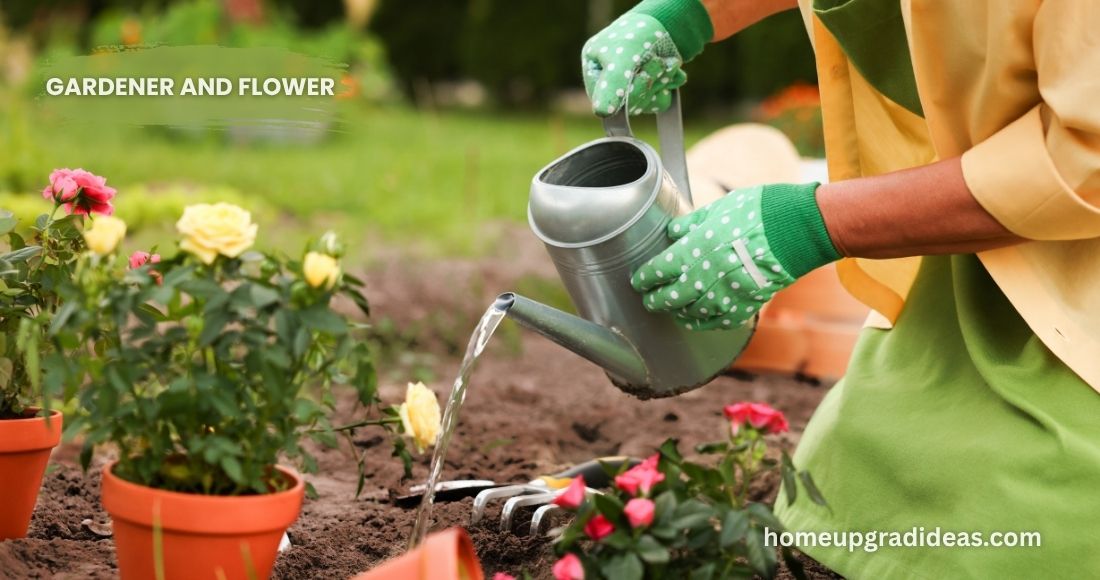
The gardener and flower relationship is one of the most powerful ways to understand how love, care, and devotion truly work between two people who choose each other daily.
Just like a flower needs sunlight, water, and nurturing soil to bloom, every person in a relationship needs encouragement, affection, and steady support to grow into their best self.
The gardener brings patience, dedication, and unconditional love to the bond. They tend quietly, cultivate growth, and create the space where the flower feels safe enough to fully open.
The flower, in turn, blossoms beautifully under that warmth and care. It stretches toward the light, grows at its own natural pace, and offers its presence and beauty to the shared garden.
But here is what most people miss in the healthiest relationships, these roles stay fluid. Sometimes the gardener needs to rest and be tended, and sometimes the flower must rise and nurture in return.
Understanding the gardener and flower dynamic in your own relationships can transform the way you love, communicate, and grow together through every season life brings your way.
What Is The Gardener And Flower Relationship?
Every relationship holds a gardener and flower. One tends, one blooms. Both roles matter deeply in any healthy bond.
The flower thrives on encouragement, affection, and care. It blossoms under warmth and the steady efforts of someone devoted to its growth.
The gardener brings patience, love, and dedication. They cultivate the space where the flower can safely open and reach its full potential.
Understanding which role you carry changes how you show up in every connection. It shifts the way you give, receive, and grow alongside the people you love most.
Most people enter a relationship believing they give more than they receive. That perceived gap in effort quietly plants the seeds of imbalance over time.
The Gardener And Flower Defining The Roles
The gardener shows up daily with patience and dedication, cultivating the growth of someone they believe in completely, without demanding a specific bloom.
The flower draws energy from that care and encouragement, slowly blossoming into its fullest self. Neither role exists without the other in a thriving relationship.
Will Smith described this paradigm clearly a true gardener wants the flower to become what it was designed to be, not what the gardener’s ego demands.
How The Gardener And Flower Dynamic Works In Love
The gardener does not drag the flower toward the light. They simply position themselves so the light can reach it naturally and at the right time.
Individualism lives at the heart of the flower’s role. It means knowing your values, taking action, and trusting your partner to hold the garden while you grow.
Real love inside this paradigm means removing your ego and offering your gifts fully. Nourishing someone toward their greatness is the gardener’s highest act of love.
Both Partners Feel Like The Gardener
My husband once told me he was the true gardener, juggling long hours and office politics as a design manager to support our family every single day.
I sat beside him thinking the exact same thing. I managed diapers, laundry, toilets, and freelance copywriter work all while writing a book on the side.
We were both so deep in giving mode that neither of us could see the other’s effort. The conversation became a competition for head gardener status between us.
Claiming the gardener role often feels safer than stepping into flowerness. It avoids the uncomfortable soul searching that true blooming actually requires of you.
After talking, we both admitted we feared what flowerness would ask of us to stop performing support and start pursuing something unapologetically our own.
Why We Both Claimed The Gardener Title
Young children turn both partners into full time gardener and flower with no rest scheduled. When everyone gives constantly, perceived imbalance grows louder than the real one.
The title of head gardener felt like proof of identity and worth. In reality, vying for it was blocking both of us from seeing what the other truly carried.
The real challenge is that claiming the gardener role indefinitely hides the self awareness needed to step forward as the flower and own your becoming.
The Hidden Challenges Of Being The Flower
Flowerness asks you to name your values and act on them with confidence. For most people, that is a genuinely tall order that many quietly shy away from.
The fear of financially paralysing your family while pursuing a dream is real. I felt it every time I opened my book manuscript and chose words over income.
My husband felt it too during his passion project months. We agreed being a flower inside a gardener and flower relationship is its own quietly suffocating kind of hell.
Fluid Roles Make Relationships Stronger
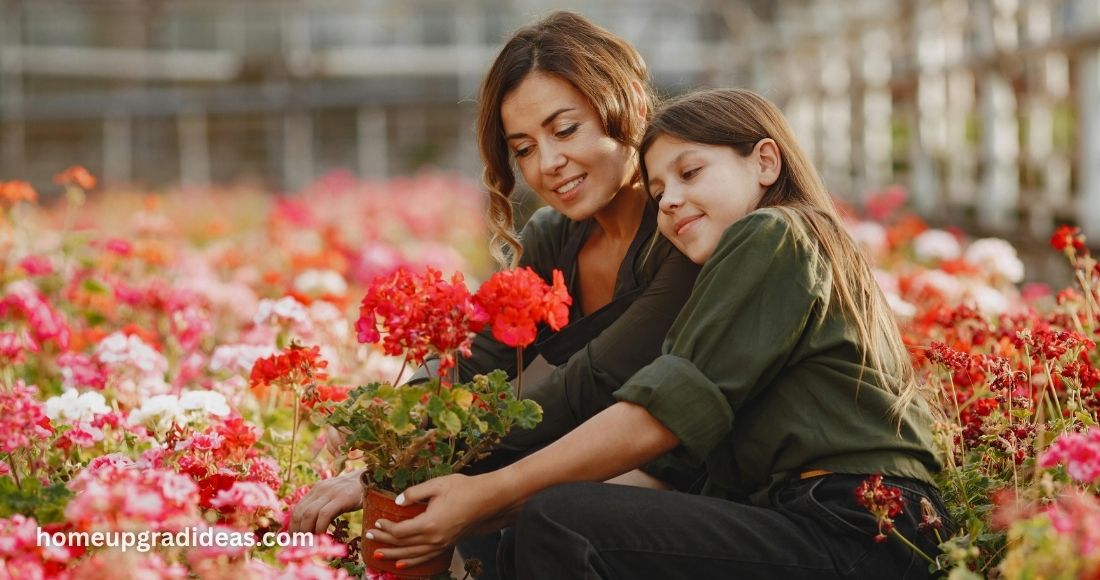
The most resilient relationships are not those with fixed roles. They are the ones where both people move fluidly between gardener and flower as seasons change.
Consciousness of this shift keeps relationships alive, reciprocal, and genuinely thriving. Neither person treats their current role as a permanent identity they must protect.
In workplaces and collaborations, the same fluid dynamic determines whether teams burn out or break through together under shared leadership and mutual care.
When one person always occupies the flower position, collecting recognition without returning support, resentment and burnout in the constant gardener become inevitable.
True leadership is about cultivating conditions where others thrive, then being aware enough to step back and be tended when your own roots need attention.
Switching Roles Without Losing Balance
Switching roles is not weakness. It is the most powerful act of care a gardener and flower can offer the relationship they have chosen to protect and grow.
If you have been deep in giving mode too long, give yourself permission to step back and be cared for without guilt. That rest restores the whole garden.
If you have rested in the flower role long enough, ask your partner directly how you can offer support. Then listen fully before substituting your own version of guidance.
Balancing The Roles Day To Day
Communication is the foundation of every balanced gardener and flower relationship. Share what you actually need rather than what sounds easiest to ask for today.
Self care is not optional for the gardener. It is the energy source that makes nurturing possible, just as sunlight and water allow the flower to bloom fully.
Every shared milestone, no matter how small, deserves celebration as proof of combined dedication, patience, and affection poured into the same living bond.
Small Bursts Of Flowerness Work Best
My husband and I learned that flowerness works best in small, consistent doses. Grand, overt bursts of self pursuit strain the relationship more than they serve it.
During August, when I stopped all billable work to finish my book, his frustration peaked. The sudden change in our financial dynamic felt overwhelming and unsustainable.
In the other months, when I found small pockets of time and kept momentum steady, he told me he genuinely admired my slow and steady approach to the work.
Slow and steady flowerness keeps the gardener’s resentment at bay. It signals that you are pursuing your dream without abandoning your shared responsibilities.
The tension between gardener and flower is almost always about visibility. The quieter your pursuit, the easier it becomes for your partner to support it fully.
Finding The Right Pace For Growth
Pace matters enormously when someone else is carrying part of your shared weight. I learned this by watching my husband’s frustration rise and fall with my momentum.
Working on your values in quiet doses a few minutes here, a focused hour there tells your gardener that the dream is real but the relationship is still the priority.
The workaround for staying married and pursuing your values is not grand sacrifice. It is the disciplined, daily art of slow and steady momentum without abandoning your effort.
Money And The Gardener And Flower Dynamic
Money sits at the centre of this dynamic more often than most couples admit. Every moment of flowerness carries a financial impact the gardener absorbs quietly until they cannot.
When I made the deliberate decision to earn less as a copywriter, I was drawing from our combined resources and asking my husband to carry more without being asked.
He dreamed of Oprah discovering my book and restoring our revenue. But on harder days, he admitted feeling like a sucker for supporting a dream without guaranteed reward.
A flower who earns from their bloom becomes a different kind of gardener one who restores income, honours the trade off, and transforms sacrifice into reciprocal contribution.
Until that moment arrives, the most honest thing a flower can do is acknowledge the financial impact openly and treat the gardener’s effort as the soil enabling the bloom.
When Flowerness Becomes A Shared Investment
The deliberate decision to earn less is not selfish if both partners treat it as a shared investment in a future that serves the whole couple, not just one person’s dream.
Reciprocal contribution does not always mean equal income in the same month. It means both people feel the effort is building toward something worth the sacrifice together.
Speak to the financial impact clearly and often. The gardener who feels seen in their support is far more likely to keep tending without quiet resentment taking root.
Gardener And Flower Beyond Romantic Relationships
The gardener and flower paradigm extends far beyond romantic love. It lives in parenting, friendships, and every professional collaboration where growth and support intersect.
In workplaces, the best teams move fluidly between tending and blooming. A mentor who clears paths for others may need encouragement and perspective from those same people tomorrow.
Resentment in professional settings almost always traces back to perceived imbalance one person always giving support while another collects recognition without ever tending in return.
In parenting, you cannot force a child to bloom into your image. You can only nurture, protect, and clear away what hinders their natural becoming with patient love.
The best friendships feel like living gardens where both people move naturally between tending and being tended, giving space and filling it with genuine presence in return.
The Danger Of Always Being The Flower
Getting too comfortable as the flower creates quiet danger. The constant gardener begins to feel taken for granted long before either person realises the imbalance has grown.
The role of the flower is not anyone’s permanent right. Burnout in the gardener is not a flaw it is the predictable result of a fluid system that has stopped moving.
Consciousness of this danger separates a thriving relationship from one collapsing under unspoken resentment. A caution spoken kindly always beats a resentment swallowed silently.
Learning To Appreciate Your Partner Fully
Learning to truly appreciate your partner begins with stopping the quiet effort to measure them against who you think they should be by now in their journey.
When I stopped checking in on her journaling and application progress, and simply asked what support looked like to her, the relationship opened up completely and naturally.
I began to appreciate her OCD, her loud conversational volume, her need to set every volume to an odd number, her precision with the aluminium foil and apple and knife.
Her unique identity shaped by trauma, behavior, and her own quiet strategy for living was not a problem to fix. It was the specific flower I had the gift of loving.
Over those 8 months together, I understood that good gardening means loving the flower you actually have, at the pace it actually grows, in the form it actually takes today.
Are You The Gardener Or The Flower Right Now?
The gardener and flower paradigm is a living question you carry into every relationship, every friendship, and every collaboration you choose to show up for with intention.
Ask yourself honestly are you cultivating an environment where the people you love can flourish, or quietly attempting to change them into what works best for your ego?
Analyse your current relationships with clear eyes. Water the seeds that already exist within your loved ones rather than planting new ones that serve your own vision.
Become a better gardener one who supports the journey even when it looks nothing like the path you would have chosen for the flower you are tending today.
The most beautiful human gardens are not the ones that never struggle. They are the ones where both people keep showing up, keep choosing balance, and keep choosing the garden.
Your Human Garden And The Roles You Play
The human garden you tend is every relationship you choose to show up for, every moment of care you offer, and every time you allow yourself to receive support fully.
Playing the gardener and flower today does not mean you forfeit the flower role tomorrow. It means you understand that tending and blooming are two expressions of the same living love.
The truth is that most of us are both gardener and flower simultaneously called to tend in one area while quietly reaching for light in another, and that balance is exactly how gardens thrive.
Conclusion
The gardener and flower dynamic is not just a beautiful metaphor it is a honest mirror that reflects how love, effort, and devotion truly operate inside every meaningful relationship we build.
Every relationship you hold dear has a gardener quietly tending and a flower gently blooming. Recognising which role you carry right now is the first step toward creating real, lasting balance.
The most resilient bonds are not built by people who never struggle they are built by people who keep nurturing each other through every difficult season with patience, care, and quiet dedication.
Fluid roles, honest communication, and genuine appreciation are the three most powerful tools any gardener and flower can bring into a relationship that they truly want to see thrive and grow.
Whether you are the one who tends or the one who blooms today, remember that both roles carry equal beauty, equal worth, and equal responsibility inside every garden of love you choose to cultivate.
So go back to your most treasured relationships, look at them with fresh eyes, and ask yourself how can I nurture this gardener and flower better today so that both the gardener and flower finally thrive together.
FAQs About Gardener And Flower
What Makes A Flower And Gardener Costume So Special?
A flower and gardener costume creates a beautifully symbolic, paired look full of charm.
What Are The Gardener And Flower Lyrics About?
The lyrics explore love, nurturing, growth, and the bond between tending and blooming.
What Is The Gardener And Flower Relationship Dynamic?
One partner nurtures while the other blooms, creating a balanced, reciprocal love bond.
What Does A Gardenia Flower Represent In Love?
The gardenia flower symbolises pure, deep love, trust, clarity, and quiet emotional devotion.
What Is The Flower Theory About Love?
Flower theory suggests every love needs nurturing, patience, and care to truly bloom beautifully.