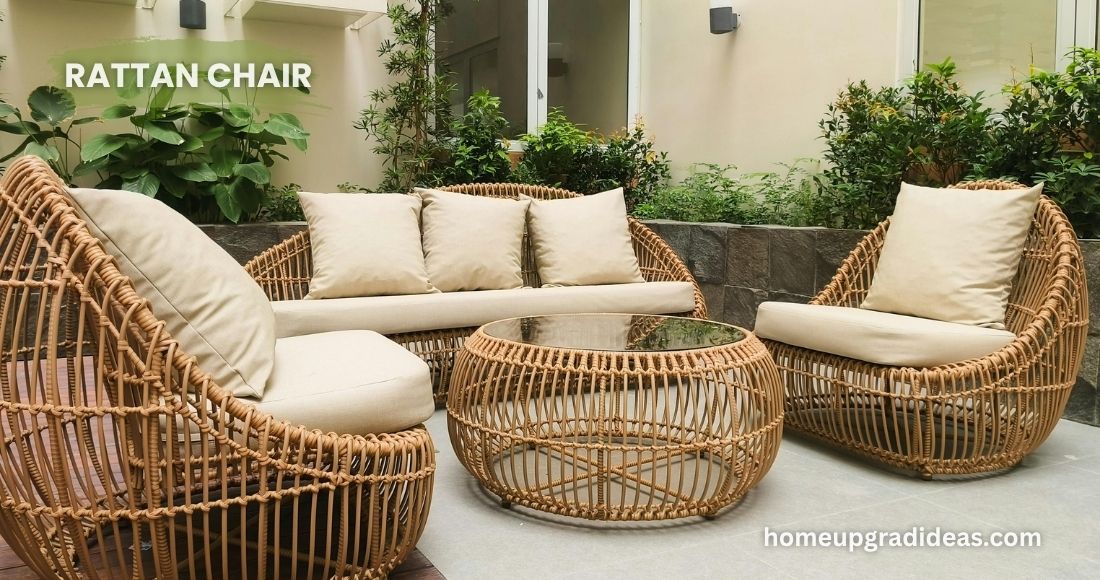
Few pieces of furniture carry the warmth and character of a genuine rattan chair. Its natural texture, elegant curves, and handcrafted build give it a timeless appeal that never fades.
A chair is made from the vine like stems of the Calamus palm a fast growing, sustainable plant native to the rainforests of Indonesia, Malaysia, and the Philippines.
Unlike bamboo, rattan has a solid core that makes it remarkably strong yet flexible enough to be steamed and bent into those graceful curves that define its instantly recognisable silhouette.
From Parisian café terraces to biophilic living rooms, it has proven its place in global design across centuries of continuous use and ever evolving interior design trends worldwide.
Today, it is the more popular than ever valued for its eco friendly roots, lightweight build, and ability to bring natural beauty and lasting comfort into any stylish home.
What Is A Rattan chair?
A rattan chair is handcrafted seating made from the solid, vine like stems of the Calamus palm. This fast growing, climbing plant grows in the rainforests of Indonesia, the Philippines, and Malaysia.
Unlike bamboo, rattan has a dense solid core. This makes it remarkably strong yet flexible enough to be steamed and bent into elegant curves that define its iconic look.
Craftsmen have shaped this natural chair material for centuries. You find it across colonial verandas, Parisian café terraces, mid century modern living rooms, and today’s biophilic interiors.
A chair is not just furniture made from a plant. It is a hand woven work of craftsmanship carrying real warmth, texture, durability, and sustainability no synthetic material can match.
From bustling terraces of Parisian cafés to serene living rooms of Southeast Asia, rattan has shaped the global design landscape and earned its place as a true design classic.
Why Rattan chairs Are A Timeless Design Classic
Rattan carries unparalleled aesthetic appeal as a tropical vine that became the go to choice across the global furniture industry for designers and homemakers alike.
Skilled hands apply weaving techniques that work with rattan’s natural flexibility. This produces beautiful pieces full of charm and sophistication that stand apart from any mass produced alternative.
The finest chairs deliver long lasting durability through open webbing at their core. Cushioning and fabric finishes can always be added to lift both comfort and aesthetic appeal further.
Rattan As A Sustainable And Eco Friendly Choice
Rattan earns its reputation as a high quality, eco friendly, and genuinely versatile material. It balances style with real environmental responsibility in a way few natural materials manage.
As a renewable resource, rattan grows back quickly after harvesting. This makes it one of the most sustainable choices available to the global furniture industry today.
Every rattan chair purchase supports the skilled craftsmanship of artisans who keep this ancient art form alive. Their work ensures these traditions pass forward to future generations without interruption.
What Is Rattan chair? Understanding The Material
Rattan is a naturally occurring climbing palm from the genus Calamus. It grows across the tropical rainforests of Southeast Asia, including Indonesia, the Philippines, and Malaysia.
Its solid core separates it from all other natural materials. That core delivers real strength and allows craftsmen to bend it into graceful curved shapes that ordinary wood simply cannot achieve.
Wicker describes a weaving process, not a plant. Cane refers to the outer bark of the rattan vine, which gets peeled away and used specifically for weaving seat bottoms and chair backs.
Palasan rattan features solid, sturdy stems ranging in diameter from one to two inches. Its vines stretch anywhere from 200 to 500 feet, making it one of nature’s most impressive climbing plants.
Workers harvest rattan, chop it into 13 foot lengths, separate the dry sheath, and leave stems to sun dry before seasoning. Those long rattan poles then reach furniture manufacturers ready for skilled use.
How Rattan Differs From Wicker And Cane
Many buyers confuse rattan, wicker, and cane when shopping for furniture. Understanding the difference helps you choose the right piece with genuine confidence every single time.
Rattan is the raw natural material a trailing palm from tropical jungles across Malaysia and China. Wicker is simply the weaving technique applied to that material to form furniture.
Cane comes from the outer bark of the rattan vine. Craftsmen peel it away and weave it into chair backs and seat bottoms, giving classic pieces their signature fine woven appearance.
Where Rattan Grows And How It Is Harvested
Rattan thrives across hot tropical areas spanning Asia, Africa, and Australasia. As part of the palm family, it carries impressive natural weatherproof properties built in from the start.
Those properties protect against rain, humid environments, and even UV rays. This natural resilience is exactly why rattan became a go to crafting material for outdoor furniture across the world.
Once processed, rattan becomes a durable substance that stays both lightweight and flexible. These qualities make it ideal for producing complex and stylish items that last for decades with proper care.
What Is Rattan Garden Furniture Made Of?
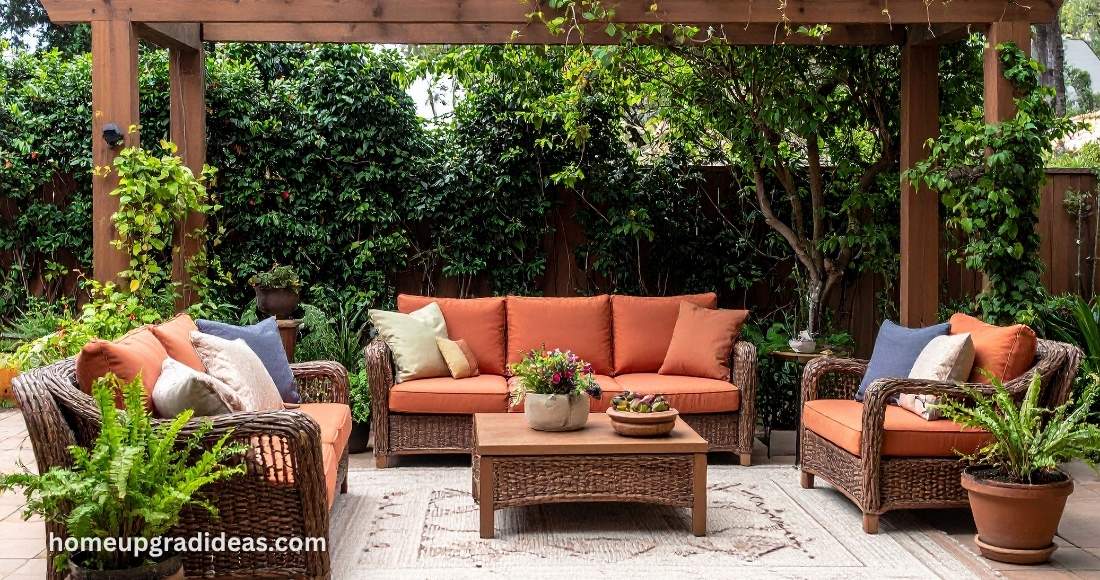
Rattan garden furniture comes in two main forms pieces made from natural rattan palms using a wicker weave, and the growing range of synthetic rattan furniture now common across UK gardens.
Traditional rattan chair furniture earns its reputation through that wicker weave construction. The result is a piece that is both genuinely durable and fully weatherproof straight from the natural material itself.
Synthetic rattan is moulded from a resin that is specially manufactured to resemble the real thing. It tends to be significantly cheaper than real rattan and suits buyers on a tighter budget.
However, synthetic rattan does not deliver the same broad natural benefits. It lacks the built in weatherproof resistance and impressive UV resistant properties that genuine rattan carries as standard.
Knowing the difference between these two materials helps any buyer make a smarter, more informed decision before committing to a purchase that needs to last for years outdoors.
Natural Rattan Versus Synthetic Rattan
Natural rattan offers warmth, texture, and genuine durability that synthetic versions struggle to replicate. Its organic character gives each piece a unique quality that mass produced alternatives simply cannot fake.
Synthetic rattan, crafted from resin, is specially manufactured to look like the real thing. It is often cheaper and handles full outdoor exposure better than natural rattan in very wet climates.
The best choice depends entirely on how and where you plan to use the furniture. For covered spaces and interiors, natural rattan wins every time on character, quality, and long term value.
How Rattan Furniture Is Made
Whether you choose authentic pieces or synthetic alternatives, the core manufactured process behind most rattan furniture follows the same reliable path from raw material to finished chair.
A frame is built first typically from strong, lightweight metal like aluminium. Then vertical strands of rattan are locked into position against that frame using furniture staples applied by hand.
From there, horizontal strands are carefully woven in and out and fixed at each end with more staples. This continues until the entire frame is fully covered by the finished weave.
Traditional rattan chair furniture is handmade by a skilled weaver using long established methods and basic tools. That handcrafted quality is something you feel immediately when you sit in a well made piece.
Modern synthetic rattan replicas use an industrial weaving machine that prioritises speed and volume. Both methods produce functional furniture, but handmade natural rattan carries a different level of value entirely.
The Role Of Natural Rattan Open Webbing
Natural Rattan Open Webbing is a hand made material carefully woven in a breathable, open pattern. It keeps a smart balance of visual lightness, strength, and comfort relative to its weight.
This webbing works across both indoor furniture and outdoor furniture settings. It performs especially well in warm and tropical climates where airflow matters most for seated comfort throughout the day.
Its woven construction creates a strong structural framework that handles heavy daily use across years. Chairs built with this webbing are a genuine long term investment that rewards proper care.
Why Handmade Rattan Outperforms Machine Made Versions
A skilled weaver brings complex weaves to life using nothing but long established methods and basic tools. That level of precision simply cannot be replicated by any industrial weaving machine.
Every handmade piece carries subtle variations that confirm its origin. These small differences are not flaws they are proof of the human skill and attention that went into building the chair.
Machine made synthetic rattan replicas prioritise consistency and low cost. They serve a purpose, but they lack the soul and structural character that a properly handcrafted rattan chair delivers.
Are Rattan chairs Comfortable?
They are deceptively comfy and sit well above outdoor alternatives like wooden benches or fabric camping chairs in real seated comfort something most people discover only after sitting down.
The woven seat actively responds to your body shape, cradling your weight evenly across its surface. This creates a comfortable platform that feels supportive from the very first moment you sit.
Over time, the weave loosens slightly, which adds to overall comfort rather than reducing it. This gradual softening is a feature of genuine natural rattan, not a sign of wear or damage.
Adding cushions lifts the experience further, and the minimal design of traditional rattan furniture makes finding matching cushions a simple and affordable task for any home or outdoor setting.
The Natural Rattan Open Webbing used in quality chairs actively encourages airflow, keeping the seat cool and comfortable even during the hotter seasons when other materials trap heat badly.
Rattan chair Comfort For Indoor Use
Inside the home, a chair delivers warmth and texture alongside genuine seated comfort. Its curved backs and supportive frames make it a natural fit for dining rooms and lounges.
The woven seat cradles the body naturally, and cushions can be added for extra softness. Many sets include matching cushions designed to complement the chair’s natural tones and proportions.
For conservatories especially, rattan is a classic choice. Its breathable construction keeps the seat cool in warm glass covered rooms where other materials would become uncomfortably hot and sticky.
Rattan chair Comfort For Outdoor Use
Outdoors, a chair outperforms wooden benches and fabric camping chairs with ease. Its woven seat distributes weight evenly, reducing pressure points during long periods of outdoor sitting.
The open construction of quality rattan open webbing promotes consistent airflow beneath the seat. This keeps the surface cool and comfortable through warm afternoons in a garden or on a terrace.
Pairing a chair with good cushions completes the outdoor setup perfectly. Choose weather resistant cushion covers to protect the filling and extend the life of your outdoor seating arrangement.
Care, Durability, And Sustainability
Good rattan furniture rewards those who look after it properly. Vintage pieces from a century ago still exist in excellent condition a clear testament to the material’s remarkable longevity.
Direct sunlight and heat sources should be kept away from rattan. Always clean with a soft cloth or vacuum cleaner using minimal moisture, because excess water leads directly to mold and rot.
Dust the surface regularly with a soft towel and skip furniture polish entirely. Never use paint thinner or abrasive cream on wicker or cane surfaces both will cause irreversible damage quickly.
If the piece gets wet, move it outside to dry in the sun immediately. Never try bending natural plant material while moist it will return to its original shape once properly dried.
The current resurgence in rattan’s popularity reflects a genuine shift toward biophilic design trends and sustainable living. Buyers now value renewable resource credentials as much as style and comfort.
How To Protect And Maintain Your Rattan chair
Tackle mildew or mold immediately using a strong bleach solution. Get the piece dried outdoors without delay and use a vacuum with a brush attachment to clean woven panels and furniture crevices.
Always lift your rattan furniture when moving it dragging causes splitting strands that are difficult to repair. Fit felt padding or rubber stoppers under legs to prevent floor damage and wear.
Rotate the piece regularly so fading from direct sunlight spreads uniformly. Hang curtains or install awnings to manage sunlight exposure and significantly extend the life of your furniture.
Long Term Care For Rattan In Dry Climates
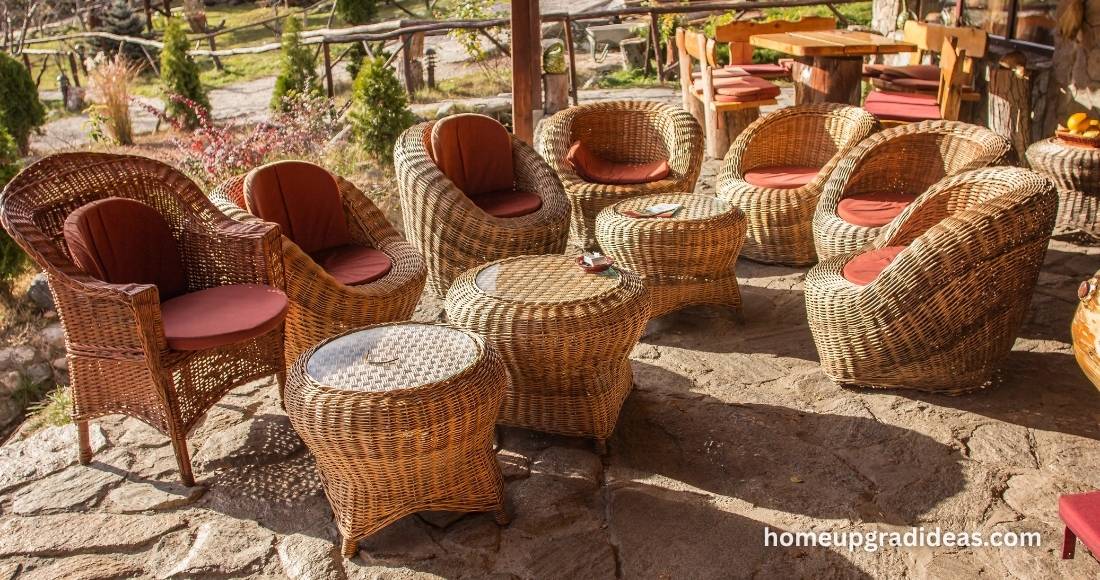
In a dry region, use a humidifier to add moisture to the air around your rattan furniture. Natural plant fibres genuinely need some ambient humidity to stay supple and avoid cracking over time.
If splitting occurs from extreme dryness, treat affected areas with tungsten or boiled linseed oil. Then raise the humidity of the room to stop further damage from spreading through the fibres.
Use cushions consistently to prevent sagging in a cane chair. Distributing the sitter’s weight evenly through proper cushioning extends the useful life of the seat significantly over years of regular use.
A Journey Through Time The Global History Of The Rattan chair
The story of the rattan chair runs through centuries of global trade, cultural exchange, and clever design that still shapes what we buy today across every style of interior.
In its native Southeast Asia, local craftspeople first used rattan for baskets and simple furniture. Then Portuguese and Spanish explorers in the 16th century carried this lightweight, strong material back to Europe.
By the 19th century, rattan had embedded itself across Europe. Its arrival in England around 1660 drew direct influence from Ming Dynasty China an early masterclass in East West design fusion.
The French bistro chair became the most culturally loaded rattan creation. Since the 17th century, these chairs with woven seats and curved frames have defined Parisian café culture worldwide without interruption.
The mid 20th century brought a golden age for chair design. Danish designer Nanna Ditzel and Italian master Franco Albini both pushed rattan into the territory of serious Modernist design.
Notable Rattan chair Designs Through History
Nanna Ditzel’s Hanging Egg Chair from 1959 remains one of the most recognisable pieces of furniture ever made. It repositioned rattan as a sculptural, hanging form worthy of serious design attention.
Franco Albini’s Margherita chair from 1951 earned a permanent place at the Museum of Modern Art in MoMA, New York. It defines Mid Century Modern rattan for design lovers worldwide.
The Egon Eiermann E 10 from 1949 achieved its structural integrity through a braided rattan structure alone. Its funnel like shape remains a celebrated example of post war German design at its finest.
Rattan chairs In Modern Design
The Corso Chair by Robert Stadler in 2019, produced by Maison Drucker founded in 1885, delivers the definitive Modern Revival. It pairs hand woven rattan with industrial powder coated aluminum legs for lasting durability.
The TT54 Chair by J. Schneider Esleben, revived in 2016, combines a powder coated steel rod frame with a seat and backrest woven in natural rattan a perfect minimalist construction for modern interiors.
As manufacturing centres across Southeast Asia took on production, these Western designs became so embedded locally that they are now widely mistaken for genuine indigenous designs a fascinating design irony.
Popular Types Of Rattan chairs Available Today
The Nova Rattan Dining Chairs blend natural woven texture with sharp designer styling for dining rooms, kitchens, and boutique hotels. Built on teak hardwood, they carry a clean Scandinavian edge priced at £395.
The Jungle Jane Rattan Bucket Chair at £350 brings relaxed texture and vintage character into modern interiors. Its handwoven rattan seat on metal legs suits lounges, bedrooms, and reading corners perfectly.
The Peacock Wicker Chair at £800 commands attention immediately. Its dramatic high back and sculptural silhouette draw from vintage bohemian interiors and unmistakable cult cinema styling for bold creative spaces.
The Queen’s Crown Outdoor Rattan chair at £395 features a distinctive crown inspired shape and beautiful woven rattan texture. It pairs naturally with garden tables, outdoor rugs, lanterns, and natural planting.
Each of these chairs demonstrates the full range of what chair design achieves today from relaxed alfresco living to bold interior statements that carry genuine timeless craftsmanship and lasting appeal.
Choosing The Right Rattan chair For Your Space
For dining rooms and kitchens, choose a rattan chair like the Nova with a solid teak hardwood base. Its Scandinavian styling suits both boutique restaurant settings and relaxed family dining spaces.
For lounges and reading corners, the Jungle Jane Rattan Bucket Chair delivers warmth, personality, and real designer appeal. Its sculptural bucket shape makes it a standout accent piece in any room.
For bold interiors, the Peacock Wicker Chair brings character and texture that few chairs can match. It works in living rooms, boutique hotels, and creative spaces that genuinely refuse to blend in.
FAQs About Rattan chair
What Makes A Rattan chair Ideal For Indoor Use?
Indoor rattan chairs bring natural warmth, texture and timeless style indoors.
Are Rattan chairs Good For Garden Use?
Garden rattan chairs offer durable, weatherproof seating perfect for outdoor spaces.
Can I Use A Rattan chair For Dining?
A rattan dining chair adds natural elegance and comfort to any dining room.
What Is A Rattan chairs Set Of 2 Best Used For?
A rattan chairs set of 2 suits cosy dining spaces, balconies and reading corners.
Do Rattan chairs Work Well In A Living Room?
Rattan chairs add warmth, charm and natural texture to any living room beautifully.